What were Varsity Lakes previously called?
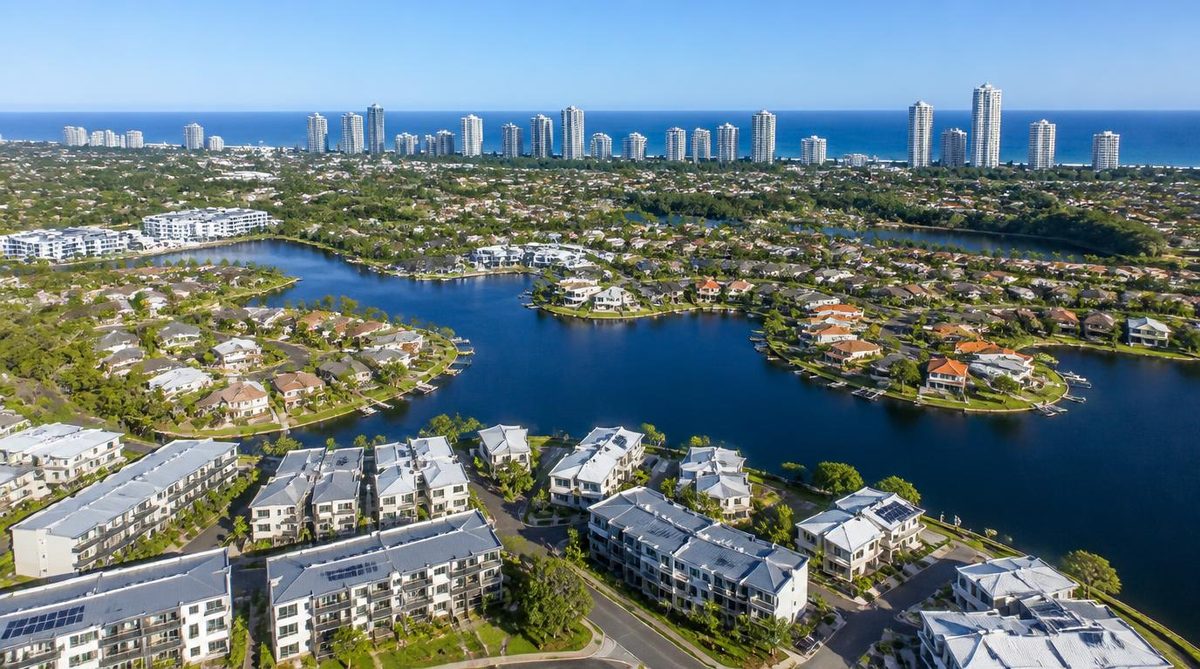
Modern Varsity Lakes includes land previously associated with the suburbs of Stephens and Andrews, plus part of Robina. Stephens Swamp is an older name linked to the local landscape. It should not be treated as the single former name for the whole present suburb.
That distinction explains why several answers appear in local histories. Stephens and Andrews relate to the areas that came before the current suburb. Robina also contributed land. Stephens Swamp belongs to an earlier layer of place history, when the physical character of the area shaped how people described it.
The clearest answer is therefore not one old name. Varsity Lakes brought together places with different earlier identities under one modern suburb name.
Which former suburbs became part of Varsity Lakes?
The immediate predecessor names were Stephens and Andrews. Part of Robina was also included in the area now known as Varsity Lakes. These names are the best starting point when someone asks what the suburb was called before it received its present identity.
This was more than a simple swap from one name to another. If the entire area had once been one suburb called Stephens, the answer would be easy. The present boundary instead covers land with more than one earlier name. Saying that Varsity Lakes was formerly called Stephens leaves out Andrews and the relevant part of Robina.
The wording matters because place names describe set areas at a set point in time. A name shown on an old address may be accurate for that period even if the same site now sits within Varsity Lakes. The land stays in place while the named boundary around it changes.
Consider a hypothetical family looking through old papers for a property now in Varsity Lakes. One document might use Stephens. Another property nearby might appear under Andrews. A later record might use Varsity Lakes. That does not mean one document is wrong. Each may reflect the suburb name and boundary used when the document was made.
Robina requires the same care. It was not simply an alternative name for all of Varsity Lakes. Only part of the present suburb came from an area associated with Robina. A broad statement that Varsity Lakes used to be Robina would therefore create another incomplete answer.
This difference also helps with family history, property files and old newspaper notices. A search limited to “Varsity Lakes” may miss records filed under an earlier suburb name. Searching Stephens or Andrews can reveal material from before the modern name became established. Robina may be relevant when the address sits in the part transferred from that suburb.
The useful rule is simple: use Stephens and Andrews when referring to the main predecessor suburbs, then note that part of Robina also forms part of modern Varsity Lakes.
Why does the name Stephens Swamp appear in local history?
Stephens Swamp describes an older geographical layer of the area’s history. The name is tied to the wetland character of the locality. It is not automatically equal to a former suburb with the same boundary as Varsity Lakes.
This is where many quick answers go wrong. A landscape name can remain in local memory long after roads, suburbs and official boundaries have changed. People may then use that memorable older label as if it once covered every part of the modern suburb. The surviving name alone does not prove that.
A swamp, creek or lake is a physical feature. A suburb is an administrative place with a defined name and boundary. A district name may be used more loosely by residents. Those forms of naming can overlap, yet they do different jobs.
Stephens Swamp is relevant because it shows how the area was understood before its lake-centred modern identity took hold. It points to the land and water that shaped earlier descriptions of the locality. It does not erase the later suburb names of Stephens and Andrews or the contribution from Robina.
The word “Stephens” appearing in both Stephens and Stephens Swamp can also cause confusion. Readers may assume that the suburb and the geographical name were identical. A shared word does not prove shared boundaries or the same official status. Each reference must be read in context.
If an old source says a person lived “near Stephens Swamp,” it may be locating them by a known feature. If another source gives Stephens as the suburb in an address, it is doing something more formal. Treating both references as the same type of record can lead to a false conclusion about where the person lived.
A hypothetical map search shows the problem. Imagine placing a rough historical label for a wetland over a precise modern suburb boundary. Parts may overlap, but the shapes need not match. Calling the whole modern suburb by the wetland name would stretch the older term beyond what the record establishes.
The safe and accurate wording is that the area now containing Varsity Lakes was historically associated with Stephens Swamp. A stronger claim, such as “Varsity Lakes was officially called Stephens Swamp,” needs an official place-name record that confirms the same status and extent.
How did one modern suburb emerge from several earlier place names?
Varsity Lakes represents a later suburban identity created across land connected with Stephens and Andrews, along with part of Robina. The new name gave the combined area one clear identity, but it did not make earlier records disappear.
This creates a naming sequence rather than a single before-and-after change:
- The landscape layer: Stephens Swamp appears as an older geographical reference associated with the locality.
- The predecessor suburb layer: Stephens and Andrews identify areas that later formed key parts of Varsity Lakes. Relevant land from Robina was also included.
- The current suburb layer: Varsity Lakes became the shared name used for the modern suburb and its public places.
These layers explain why residents can remember different “old names” and still be speaking honestly. A person may recall an address in Andrews because that was the suburb name used at the time. Someone discussing early local geography may mention Stephens Swamp. A property record from another part of the current boundary may point to Robina.
The date of a record is therefore as useful as the name printed on it. An old school notice, electoral entry or land document should be read using the boundaries that applied when it was produced. Applying the current map to every older reference can shift a place into the wrong historical suburb.
The type of record matters too. Postal addresses are designed to route mail. Survey and place-name records define land more precisely. Personal recollections often use familiar landmarks. Local histories may use a broad district name when discussing life across a larger area. Each source can answer a different geographical question.
This is why “formerly called” can be misleading. The phrase suggests that one complete place received a new label while keeping the same edges. Varsity Lakes is better understood as a modern suburb formed from areas with several earlier associations.
The current name also reflects the area’s newer planned identity. “Varsity” became closely tied to education, while “Lakes” described the water-based character presented by the modern development. That branding belongs to a later stage than Stephens Swamp. It should not be projected backwards onto records made before the modern suburb existed. modern planned identity
Nor should the older names be treated as informal nicknames for Varsity Lakes. Stephens and Andrews had their own place identities. Robina remains a separate neighbouring suburb even though part of its former area contributed to Varsity Lakes. The modern name joined selected land under a new boundary rather than turning every earlier name into a synonym.
Where can the older names still help people today?
The older names are most useful when reading records, tracing addresses or talking with people who knew the area before the current name became common. They explain why an old reference may look unfamiliar even though it points to land now inside Varsity Lakes.
Someone researching a house can start with its current address, then check whether that site once fell within Stephens, Andrews or the affected part of Robina. Someone studying the physical history of the area should also search for Stephens Swamp. Keeping those searches separate prevents a landscape term from being mistaken for a suburb name.
The distinction can help with several types of source:
- Old address records: Look for Stephens or Andrews first, based on the site. Check Robina where the former boundary makes it relevant.
- Local history accounts: Read Stephens Swamp as a geographical or district reference unless the source clearly gives it official suburb status.
- Maps and land records: Compare the publication date with the boundary shown. Do not assume a historical outline matches current Varsity Lakes.
- Personal memories: Ask what year the speaker means and whether they are naming a suburb, a development or a nearby feature.
Modern landmarks reinforce the present name. Varsity Lakes railway station, the education precinct and places using the Varsity name help residents recognise one suburb. They show how firmly the new identity has become attached to the area. They do not prove what every parcel of land was called before the suburb was formed.
The railway station is a good example. Its name tells a traveller where the station belongs now. It cannot settle whether an older home nearby appeared in Stephens, Andrews or Robina records. A modern institution is evidence of current identity, not a complete guide to past boundaries.
The same care applies to names used by schools, parks, campuses and Market Square. These places help build the modern sense of Varsity Lakes. Their names may also preserve parts of local history. Yet a familiar landmark name does not define an earlier suburb or establish the former reach of Stephens Swamp.
For precise historical work, begin with the modern site and work backward through dated maps and official place-name material. Keep the category beside every name: current suburb, former suburb, neighbouring suburb or older geographical feature. That small step stops most errors.
Use Stephens and Andrews, plus the relevant part of Robina, for the immediate predecessor areas. Use Stephens Swamp only when referring to the older landscape history.